




 Poland
 United States
A relaxing retreat amid the drama of a Highland landscape.
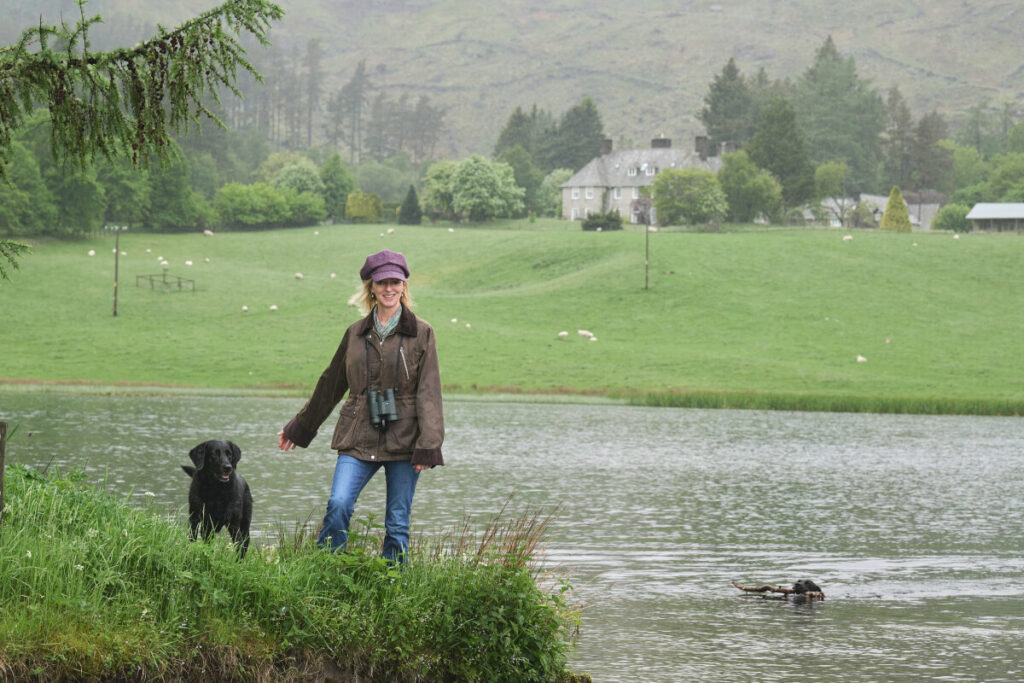
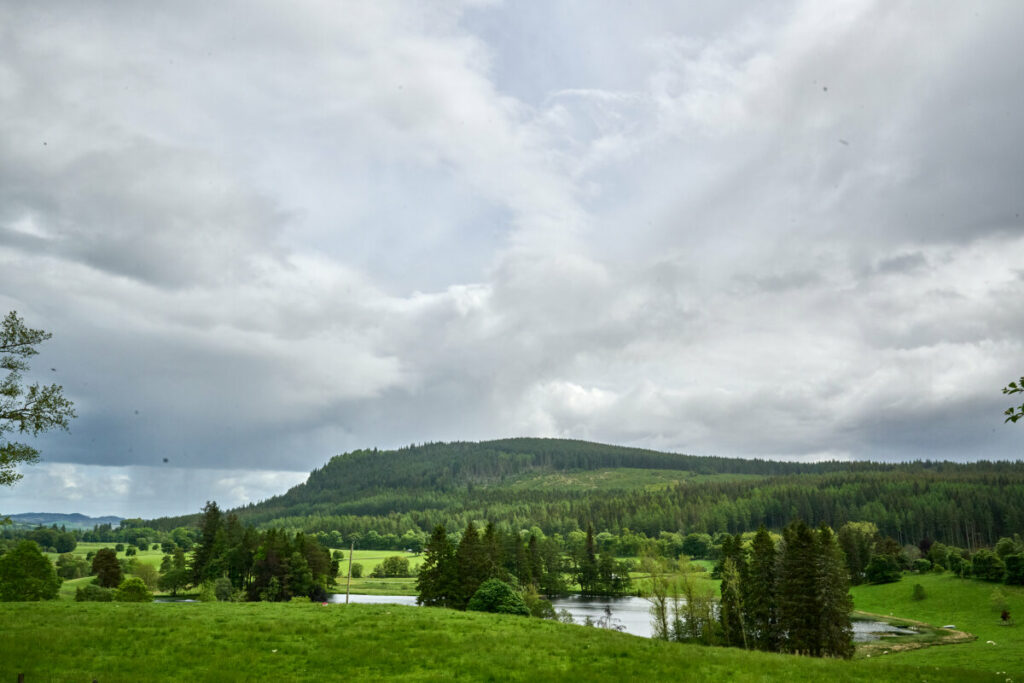
Overlooking the Glen of Strathardle on the southern fringes of the Cairngorm mountain range, sits Straloch Estate a haven for wildlife and heathland flora recognised as a Site of Special Scientific Interest. Co-owner Lucy Holt lives in the main lodge and manages four holiday properties scattered across the estate. Her guests can explore acres of woodland, a picturesque loch, heather-covered hills and the winding River Fernate.
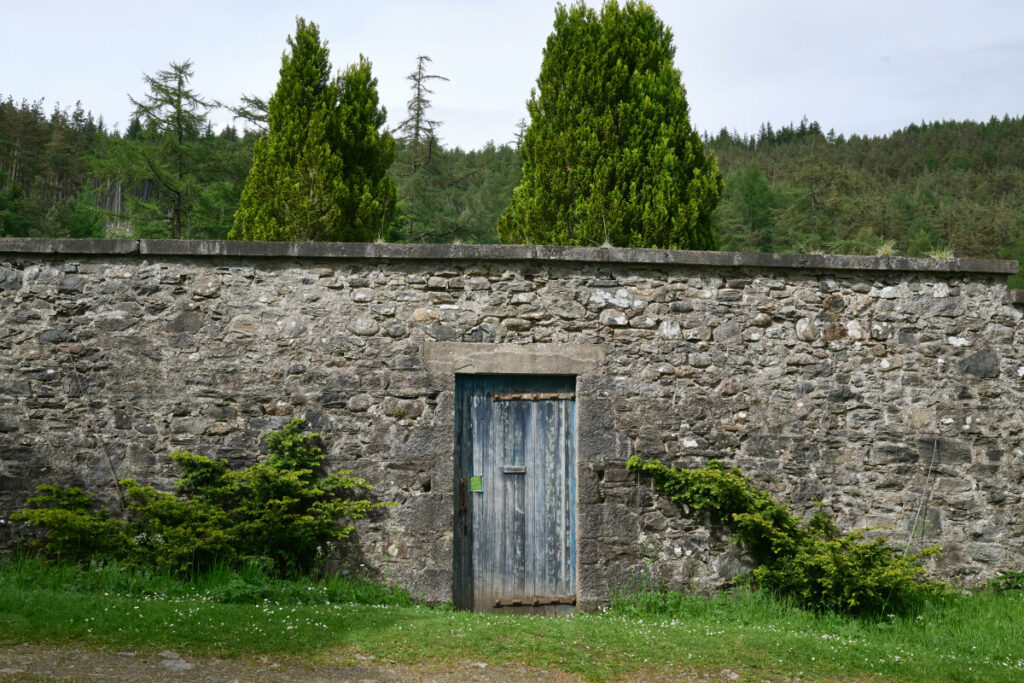
For Lucy, this was also the backdrop to an idyllic childhood spent playing in nature and attending the small village school just a stone’s throw from home. “There were only about 12 pupils in my day,” says Lucy, “All different ages, taught by one teacher.” After nearly 160 years of service, the school closed in 2011 when numbers dropped to just two children.
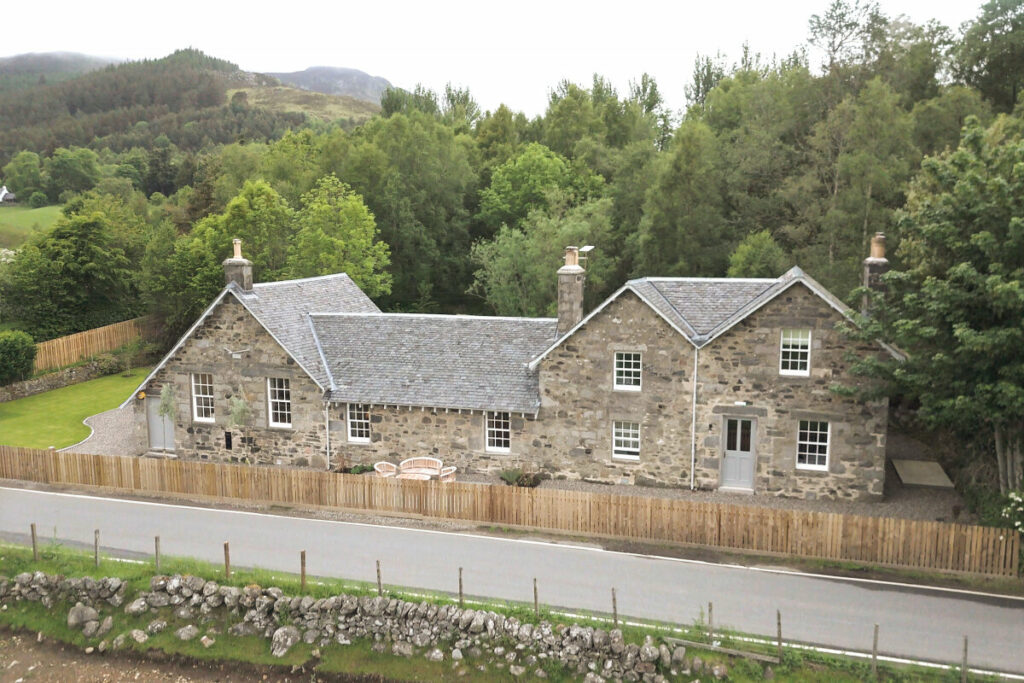
When it eventually came up for sale Lucy saw an opportunity to restore the dilapidated building and revive her old primary school for a new purpose. However, applying for a change of use meant Lucy had to improve the building’s thermal performance to match that of a new build and install an air source heat pump.
“The heat pump caused a great deal of anxiety and skepticism.”
Purpose built in 1849, the Schoolhouse is a listed stone building in the Scottish tradition with lime mortar and a slate roof. It has two main schoolrooms with the Headmistress’ house adjoining. The family has championed sustainable heating at Straloch over the years, with a ground source heat pump installed at The Dower House where Lucy’s mother lives, and biomass boilers in two other holiday lets. But the running costs left Lucy very disillusioned. “There was a lot of anxiety about the air-source heat pump,” she says. “I thought, how could it possibly heat an old, traditional building? Was it going to cost a fortune to run?”
Aside from energy bills, reliability is crucial to her business. With guests spending days out in all weathers, the Schoolhouse needs to provide every comfort and Lucy needs a heating system she can depend on. “Our winters are very long and very cold. It can get down to -12°C.” Lucy was not convinced the mandatory low-temperature heating would be up to the task.
“It was never in my mind to use cast iron radiators. I just thought they would be unsuitable for air source heat pumps.”
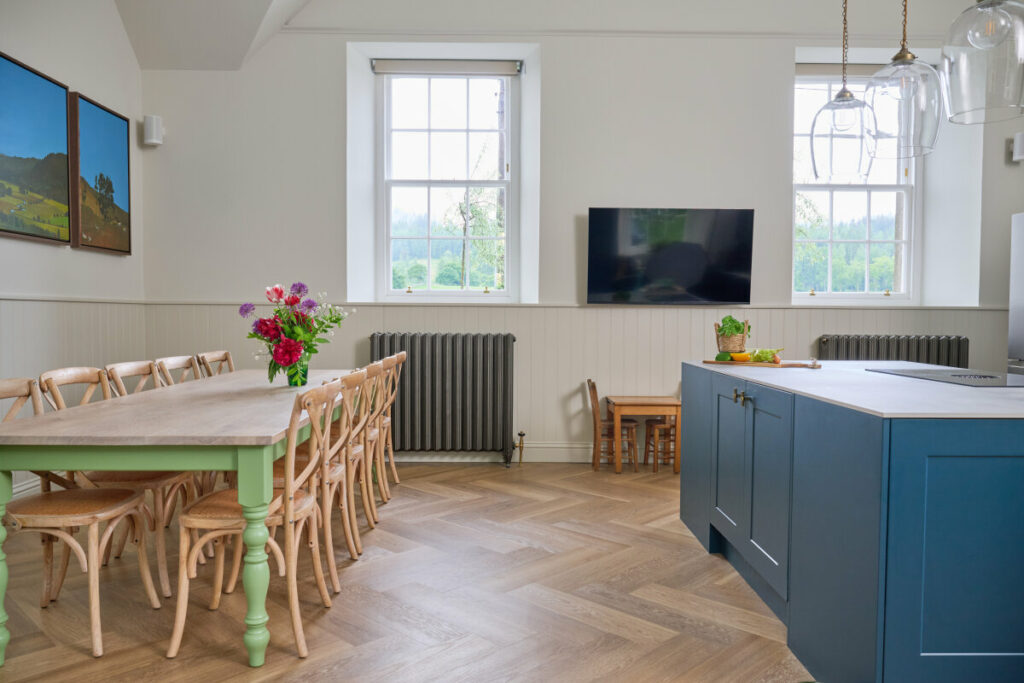
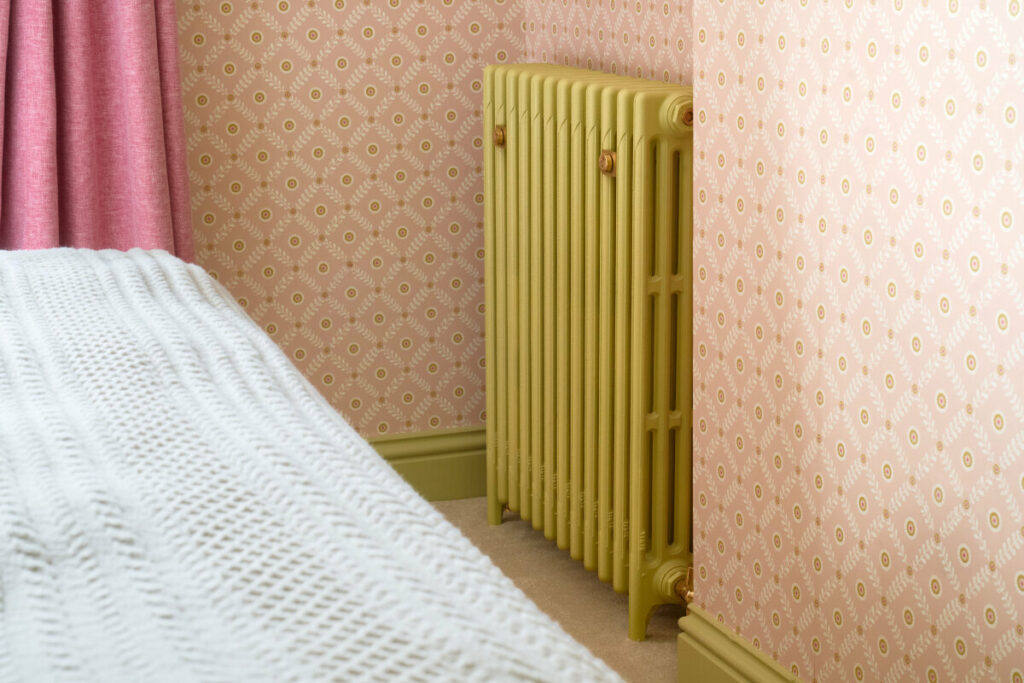
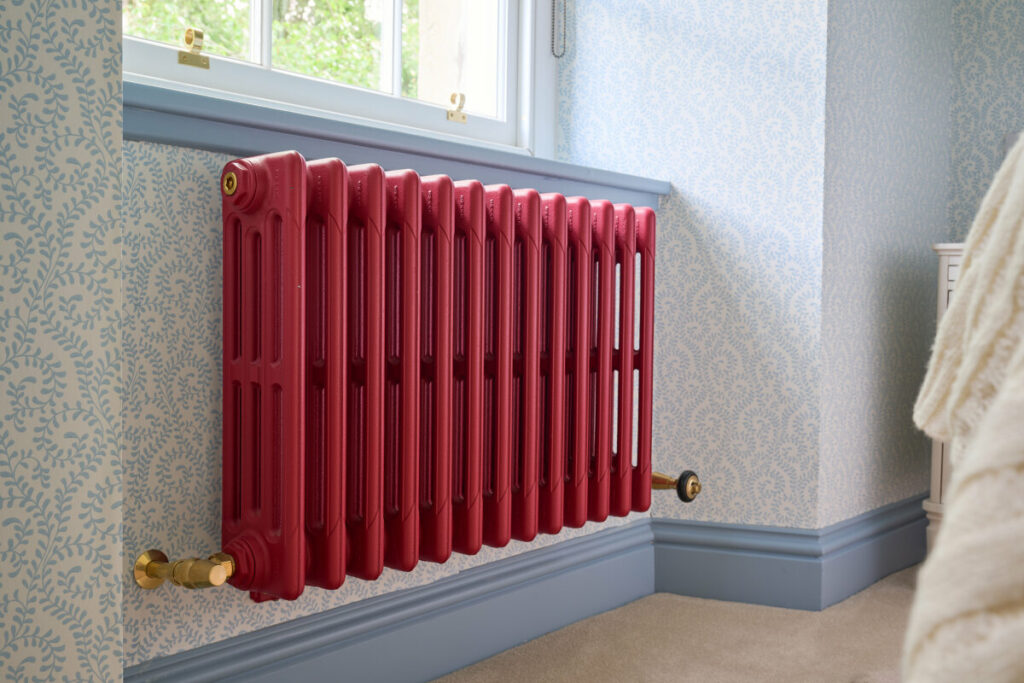
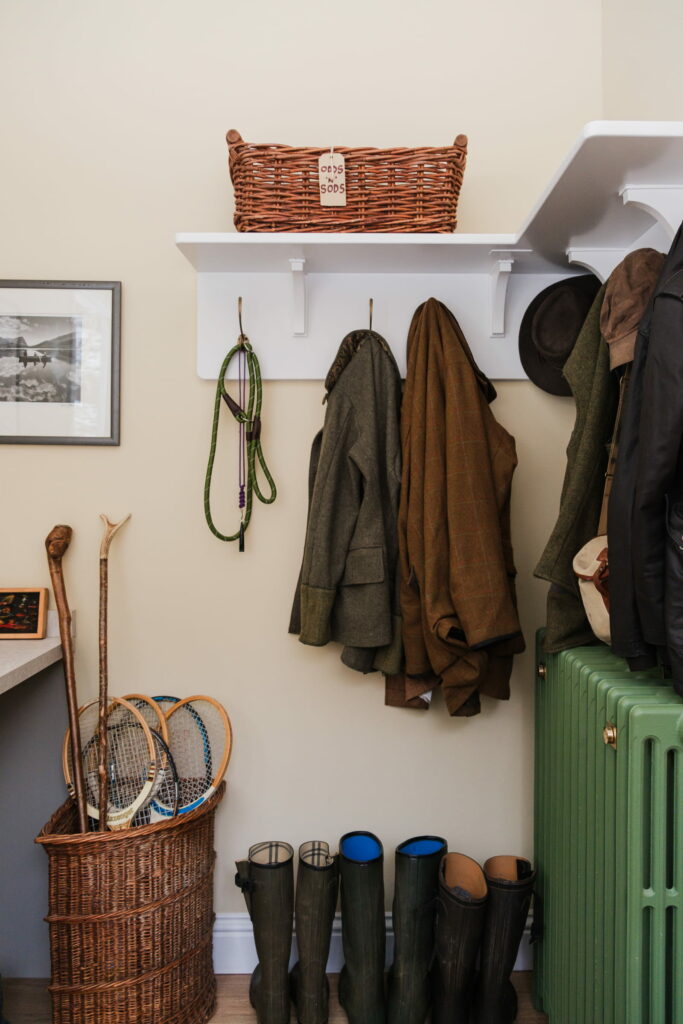
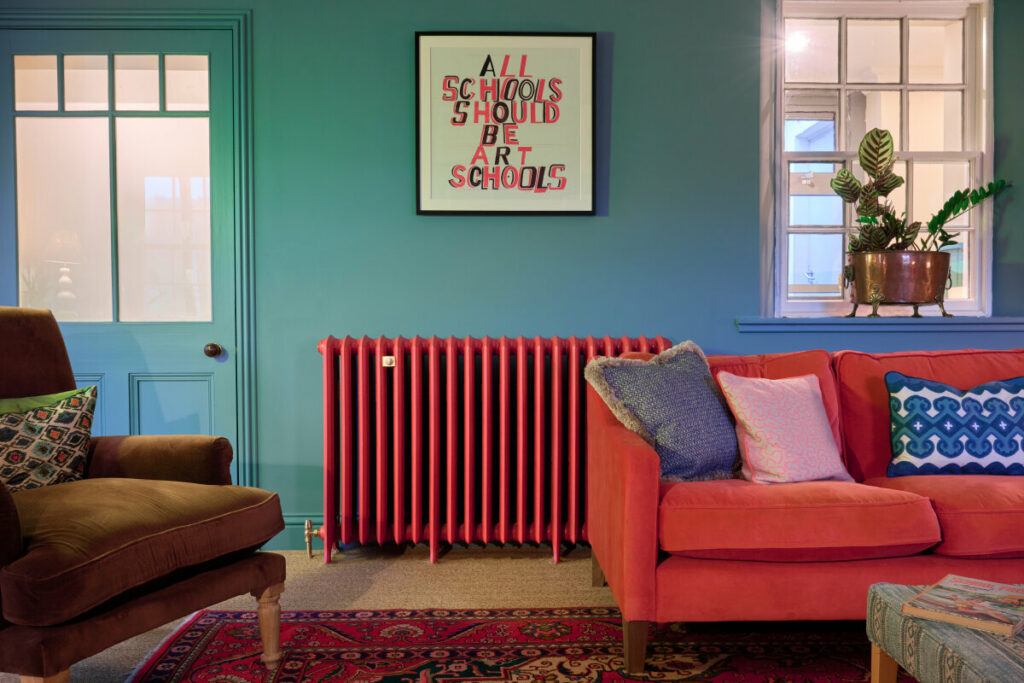
While researching suitable radiators Lucy came across Castrads and was surprised to discover that cast iron radiators are compatible with heat pumps. “I was like, ‘What, really?’ I’d been led to believe we’d need the light aluminium sort.” This was good news for her interior designer too. “We worked with Tyrella Nash of Dunville Interiors. The brief was to make it cosy and colourful and inviting. She got very excited about the radiators because they add a really interesting feature to the house and they’re a real statement. We decided to go quite bold with the radiator colours. Normally you’re trying to hide a radiator but these radiators are so beautiful you want them to stand out.”
“Finally I found someone who I trust.”
Castrads CEO Nick Baylis visited Straloch to meet with Lucy and carry out a heat-loss survey on The Schoolhouse. “From the moment Nick walked in the door I thought, ‘This guy knows what he’s talking about’ and I felt immediately reassured. It was a huge relief to talk to somebody who understands the technicalities of it all and was saying it’s not a problem, it’s going to work.”
Nick drew up plans for the optimal size and placement of each radiator to match the required heat output at a flow temperature of just 40°C. Nick’s advice, given the cold climate and listed status, was to work with a specialist heat-pump engineer. Thanks to Heat Geek, Lucy found Iain Johnston, a local accredited Heat Geek Elite installer who runs Evolved Energy.
Jointly modelling the heating system and the radiator outputs using H2X software, Nick and Iain were able to refine the plans without Lucy having to act as an intermediary. “We’re using the same software, so the collaboration was pretty seamless,” says Iain. “We were able to work very closely together on the whole design.”
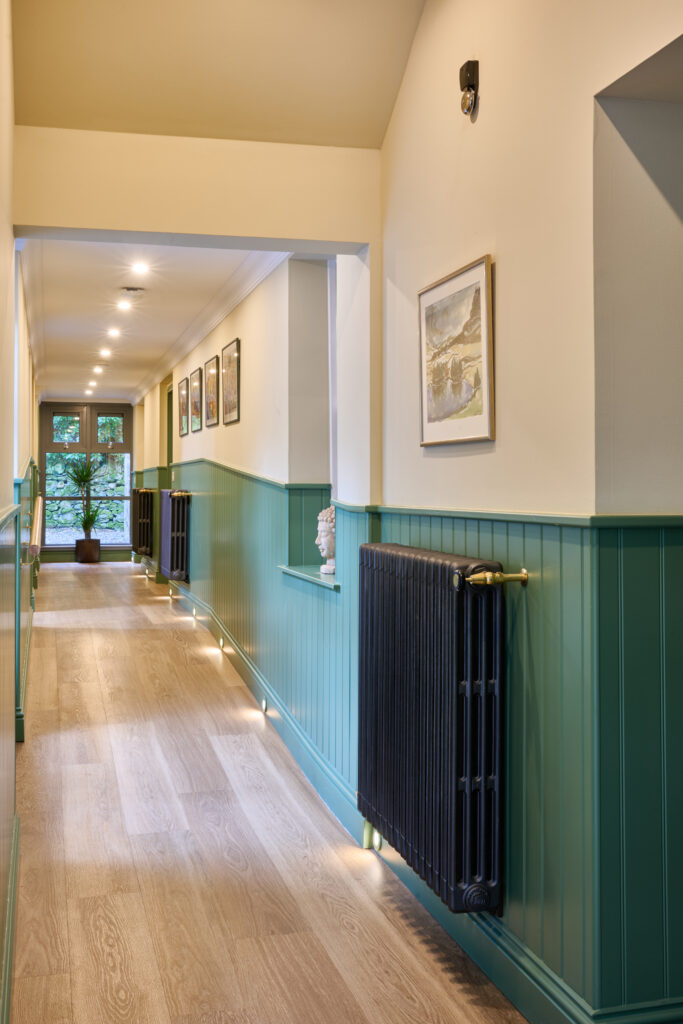
“Cast iron radiators were definitely the right choice here. The outcome is spectacular.”
Iain says, “In this property specifically, the cast iron works really well. It’s in keeping with the old property and the bonus here is because we’ve used cast iron radiators we’ve got a lot of thermal mass and a lot of water volume which has made for excellent efficiencies and running times.”
Iain adds, “As an emitter, cast iron is a solid choice. Underfloor heating would have been an option here, but a costly one. We might have got a lower flow temperature. However we wouldn’t have got the same volume [of water] as we’ve got with these radiators. I can’t stress enough how important volume is to a well-running, efficient heat pump.”
High water volume prevents the heat pump compressor from short-cycling, which wastes energy and causes wear and tear. One option to combat a lack of water volume when using underfloor heating is to add an additional water tank, known as a volumizer. ASHP systems almost always require some internal plant such as hot-water cylinders and control units. But at the Schoolhouse, interior changes were limited because of the building’s listed status. Lucy was also keen to maximise living space for her guests and keep plenty of original character. The plant room needed to be as compact as possible.
The answer here was to use a high-volume emitter. Iain says, “We’ve got a tiny little cupboard to fit the plant into, there was no room for a volumizer. There’s something like 327 litres of water in this system. I’m a big advocate for more volume. So cast iron was definitely the right choice here. The outcome is spectacular.”
“Because we’ve used cast iron radiators, we’ve got a lot of thermal mass and a lot of water volume which has made for excellent efficiencies and running times.”
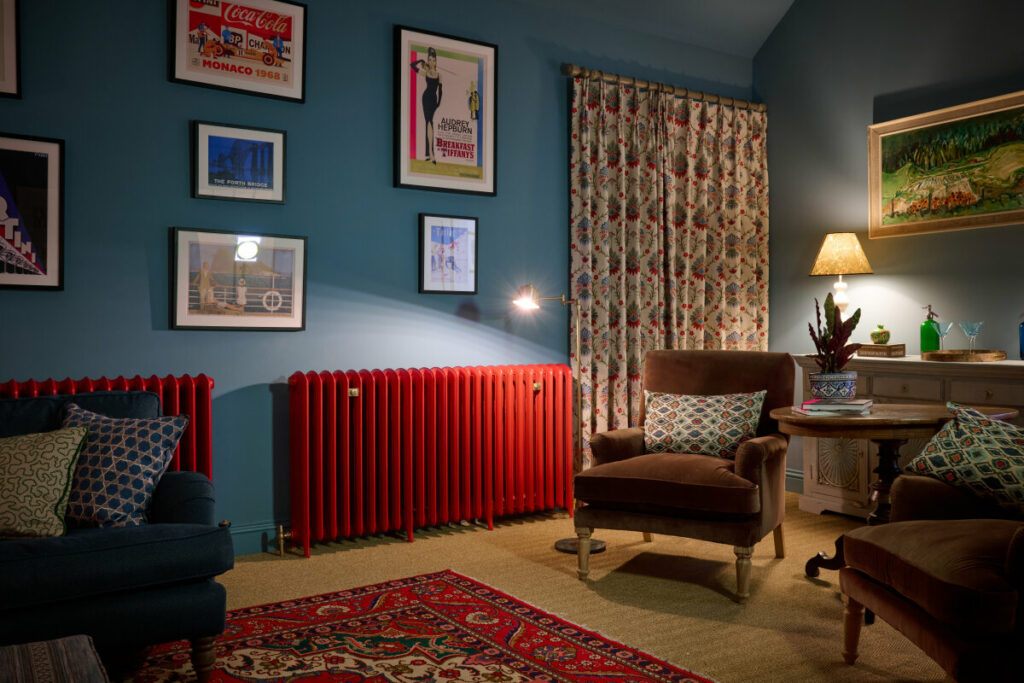
In Lucy’s old classroom, reclaimed radiators made a budget-friendly addition.
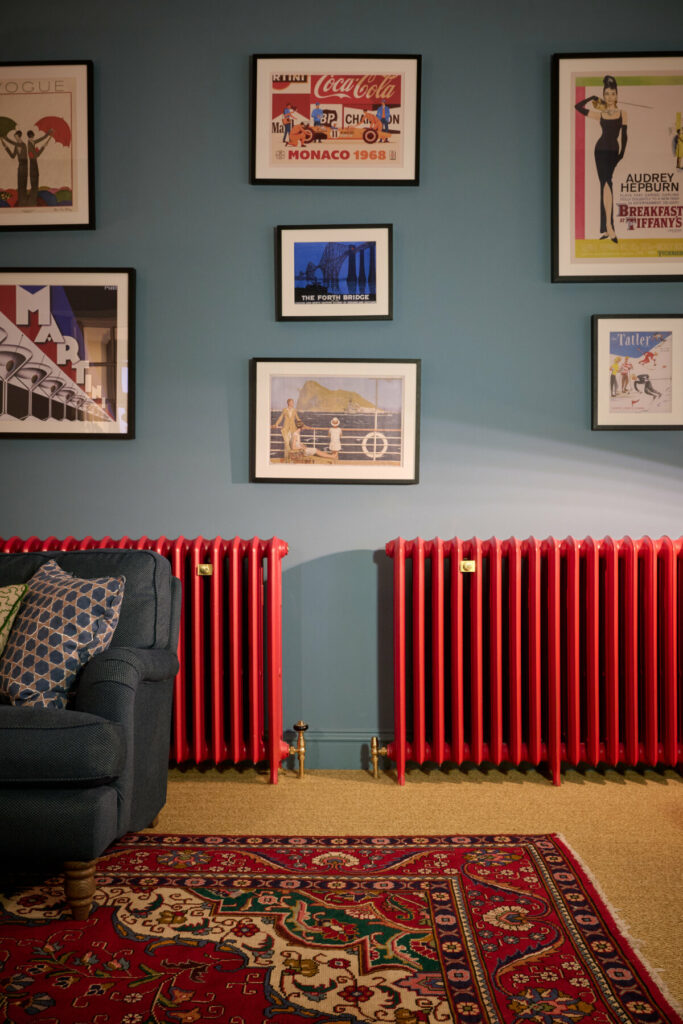
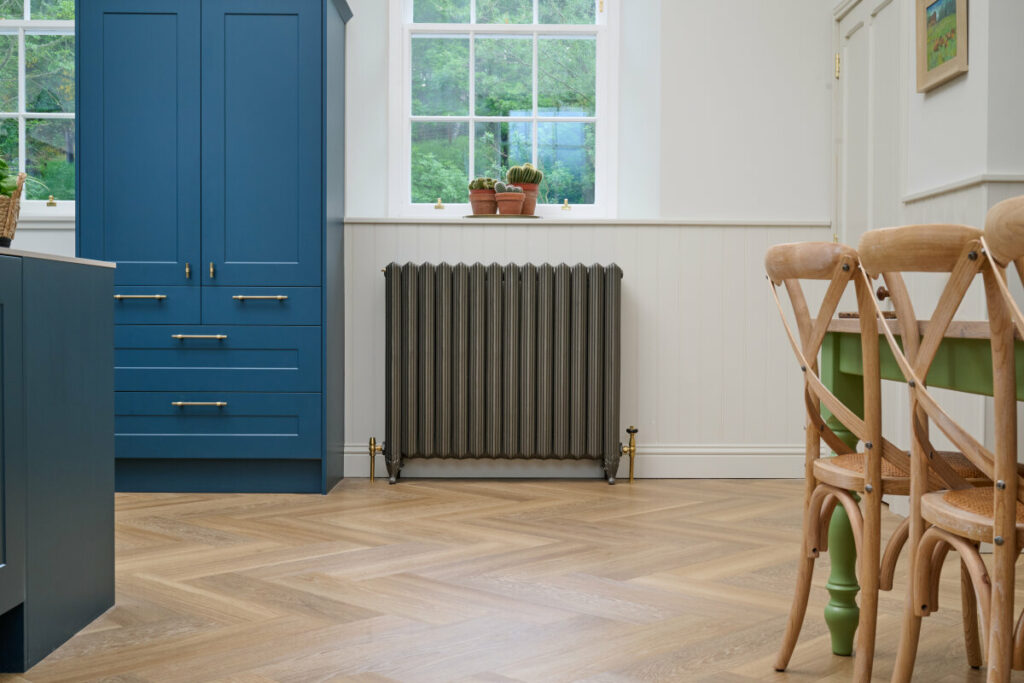
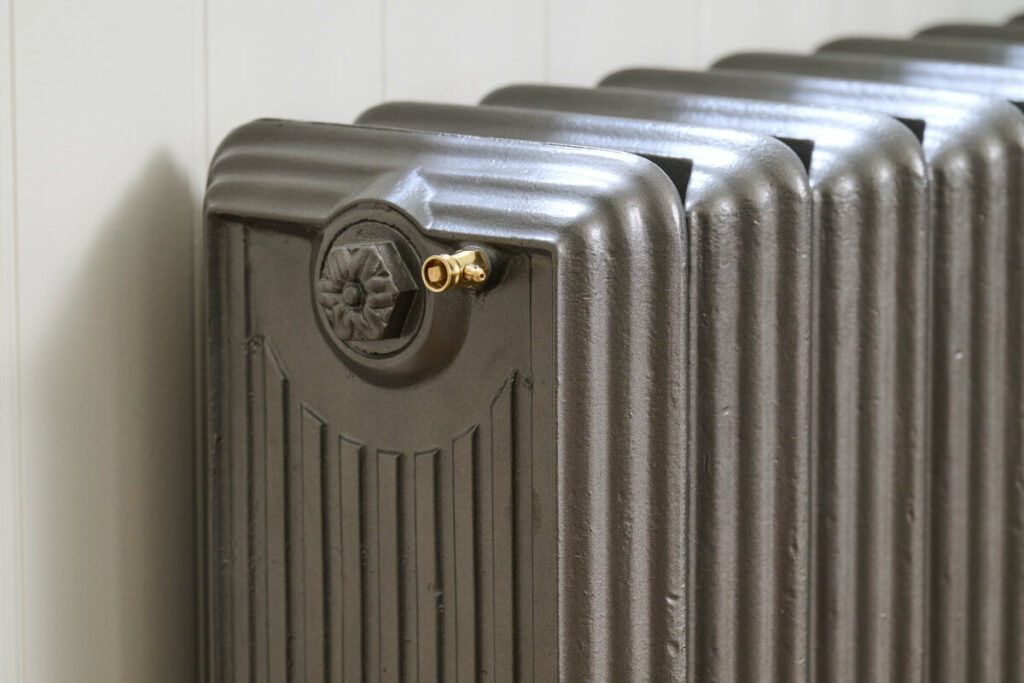
One standout feature of The Schoolhouse is the enormous kitchen diner. “Despite the rural setting, this is typical Victorian civic architecture,” says Nick. “The room is 7m x 7m with 5m-high ceilings and windows on three sides. What makes it a fantastic space for Lucy’s guests to gather and dine also makes it complicated to heat. With the low flow temperature added to that, there’s approximately a ton of cast iron needed to heat this room alone. To do that with newly made radiators would have been expensive for Lucy. Fortunately we were able to specify three Italian Flue radiators from our Vintage Collection. This is a very early model, cast between 1897 and 1905, when radiators were mainly made for huge spaces like cathedrals and museums. Proportionally they suit the space, and at this flow temperature they’re ideal.”
Opting for vintage in the kitchen saved Lucy around £7,000 compared to new bespoke radiators. They also retain embodied carbon and preserve a piece of engineering history. Nick said, “These Italian Flues were cast in New York, shipped to England at the turn of the century and heated a church in Liverpool for 120 years. Now we’ve restored them and they’re beginning a new life in the Scottish Highlands.”
“We’re thrilled with the results.”
One year on, Iain’s heat pump install has maintained an annual SCOP of 5.1, an efficiency figure that’s reflected in Lucy’s energy bills. “Our house is on LPG, and the air source heat pump with the cast iron radiators is significantly cheaper to run, I’m pleased to say.” Lucy adds, “The Schoolhouse has this steady, comfortable temperature. It’s remarkable and it’s on all the time, this ambient, background temperature.”
“Talking to Castrads, watching Heat Geek videos, and working with Iain from Evolved has completely transformed my view of air source heat pump systems,” says Lucy, adding, “After our experience with the heating system here and finding it was so easy to run and economical, we’ve actually taken the decision to change the other holiday houses over to an air source heat pump.”
Initially Lucy was filled with anxiety and overwhelmed at the prospect of finding radiators for her heat pump system. Working in unison with Iain, we were able to take that burden off her shoulders and deliver a solution that is cost-effective, sustainable and reliable. Lucy’s also joined the vintage radiator appreciation club. “I’m thrilled you’ve let us have these beautiful radiators, I think they’ve found a wonderful new home, hopefully for another 100 years or so.”
Let’s get the radiators right on your project.
We specialise in getting the radiators right for every system. If you’re struggling with a complicated project or overwhelmed with choices, booking a one-to-one consultation with our team can alleviate that stress.
We’ll work with you and your installer to find the right combination of reclaimed and new cast iron radiators, sized and finished to match your property and your brief.
